 A reader wrote to me a few weeks back asking for advice on how to select adults to go along on troop campouts, particularly those featuring above-the-norm, interesting activities. This reader felt that certain adults were given first crack repeatedly, that most of the adults were being bypassed when it came to offering the chance to participate, and he asked if some sort of a lottery or rotation system should be put in place.
I responded by saying that first and foremost, Scouting is for the Scouts. It’s not something that the adults plan and do because they like it or find it interesting, and include the youth in the process. Adults are there to make it possible for the Scouts to do Scout stuff. Continue reading “Adults on troop outings”
 I’m sure you’ve been in many meetings where the chairperson or meeting facilitator does most of the talking. There’s the discussion of business, summary of past activity and general announcements. Many times, people are hesitant to speak up, so the chair just fills in the quiet spaces.
 Eagle Palms
 Since its inception in 2011, the Guide to Advancement has been the single point of reference for nearly all matters related to advancement across all our programs. It replaced a smattering of documents, references in handbooks and training manuals, and official policies that were not well documented.
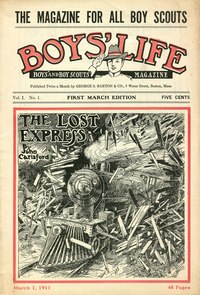 You probably know someone – your parents, a college friend, maybe even yourself – who subscribes to National Geographic. The magazine contains some of the finest writing and photography available, and their iconic yellow covers have become part of our culture. But many people who subscribe just can’t bear to throw them away. They pile up, fill our bookshelves and basements, and can take over our lives. Lexington Herald-Leader writer Tom Eblen wrote about his own experience with the “yellow wall”, as he put it, andÂ